BPC-157 Recovery Peptide Therapy
Book appointmentAbout
What this is
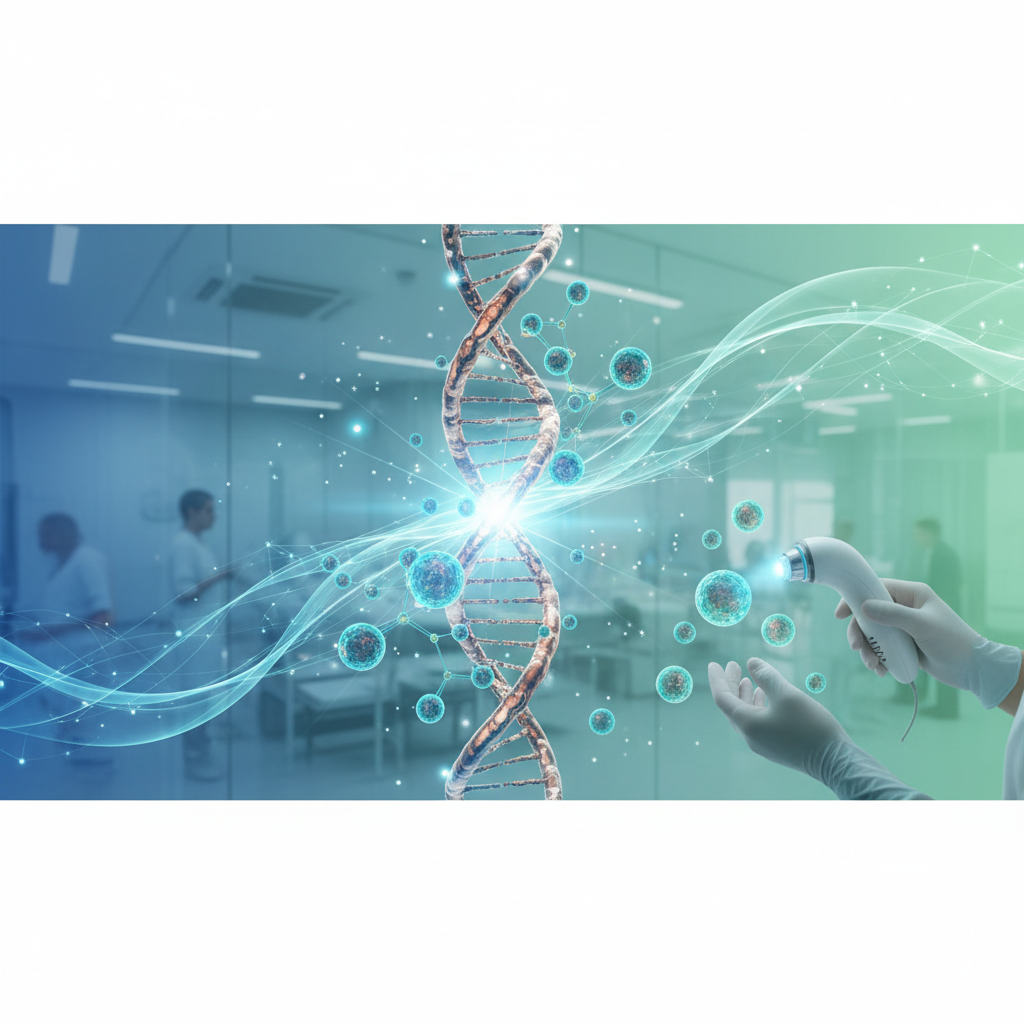
BPC-157 (Body Protection Compound-157) is a synthetic peptide derived from a naturally occurring protein fragment found in human gastric juice. It has attracted serious scientific interest for its remarkable regenerative properties across multiple tissue types — tendons, ligaments, muscle, gut lining, and nervous tissue.
The peptide works primarily by upregulating growth hormone receptor expression and modulating nitric oxide pathways, which drives local angiogenesis and accelerates the migration of fibroblasts to injury sites.
A 2022 review in the Journal of Translational Medicine (Sikiric et al.) summarised decades of pre-clinical and early-phase human data, noting consistent acceleration of tendon-to-bone healing and significant reduction in inflammatory cytokine activity at injury sites.
At Spanish Center Dubai, BPC-157 is administered as a subcutaneous injection cycle — typically 4 weeks of daily or every-other-day dosing, followed by a 2-week rest period. Dosing is calibrated to body weight and injury severity.
Important: BPC-157 is not FDA-approved and is classified as investigational. Dr. Razzak applies it within a supervised clinical protocol, with full informed consent and ongoing monitoring. Most patients notice meaningful improvement in pain and mobility within 2–3 weeks.
Benefits
What to expect
- Accelerates soft-tissue healing — tendons, ligaments, and muscle — with observed 30–50% reduction in recovery time
- Reduces chronic joint inflammation without immunosuppressive side effects
- Supports gut lining repair — beneficial in leaky gut and NSAID-related mucosal damage
- Promotes angiogenesis at injury sites, improving local circulation
- Generally well-tolerated with a favourable short-term safety profile in supervised settings
Ideal for
Who this helps
How it works
The procedure
More services